
Gender Equity in AI: Are Deepfakes A Distorted Reflection of Society’s Bias?
As we approach International Women’s Day, I cannot help but reflect on the fact that the digital landscape presents us with a paradox of progress and peril, notably through the lens of deepfakes. Deepfakes, synthetic media in which a person’s likeness is replaced with someone else’s image or voice using advanced AI and machine learning, showcase the progress in generative AI that goes beyond assistive tools.
I had first commissioned a consumer survey on deepfakes in 2019 to understand its reach and impact in society. At the time, most people knew of it in the context of celebrity face swaps, politician manifesto manipulation and harmless fun among college students. There were few cases of deepfakes being used for identity theft and in creation of non-consensual content. There was very little mainstream consumer awareness of this.
Five years on, deepfakes have gained “popularity”, their use for harm has risen exponentially, and the output continues to get better. Their growing prevalence not only mirrors existing social biases but also amplifies them, pushing us to confront the underlying issues in our digital culture, escalating the conversation around digital ethics and gender equity in AI.
The Problem: Deepfakes and Gender Bias
At its core, the issue with deepfakes is twofold. First, it presents a glaring invasion of privacy and consent, often targeting women by placing them in contexts they never participated in, thus exacerbating gender biases. The manipulation of women’s images without their consent is not just a privacy breach—it’s a form of digital violence that perpetuates social discrimination, highlighting the urgency of acknowledging and addressing this misuse of technology.
Secondly, deepfakes contribute to the erosion of trust in media, with the potential to create false narratives and manipulate public opinion. This is particularly concerning when considering the gendered aspect of misinformation, where women, especially those in positions of power or visibility, are disproportionately targeted, undermining their credibility and authority.
A staggering 96% of deepfake content targets women, often in exploitative and damaging ways, exacerbating the challenges women face online and offline. This issue is not just about technology’s capability but its ethical application, highlighting a disturbing trend of gendered digital exploitation.
My comments on this BBC article explains region specific dynamic that play a part also.
“Deepfakes are not just a technology problem; they are a social one, reflecting our deepest biases and requiring a concerted effort to address.”
Deepfakes and AI Bias: Self Perpetuating Problem
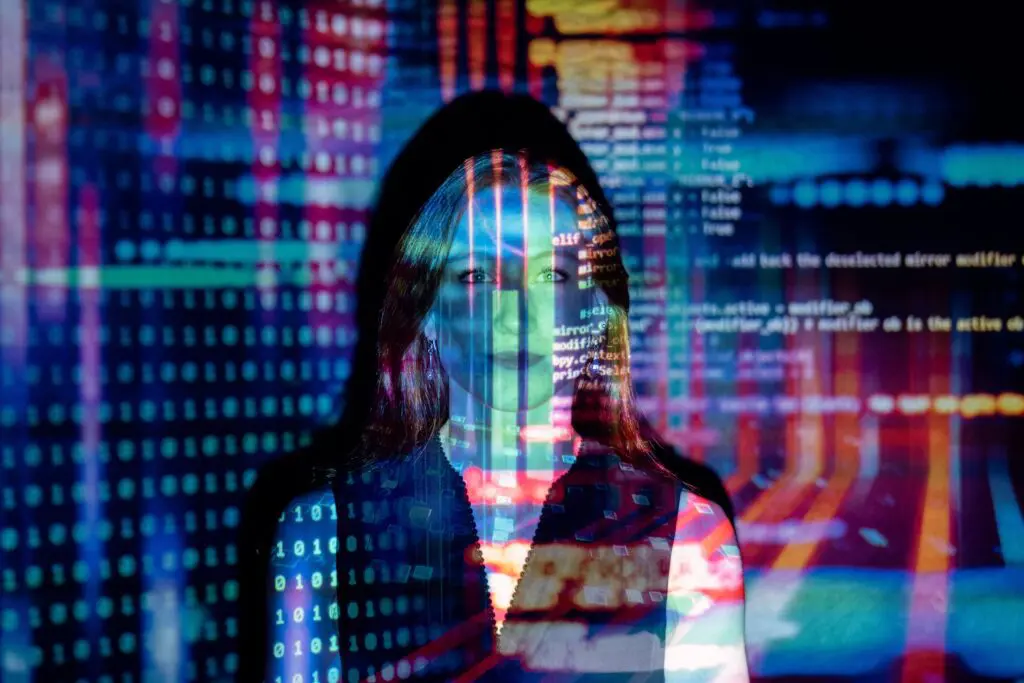
The ease of creating deepfakes and their convincing realism pose unprecedented challenges. They undermine trust in media, distort reality, and, most concerningly, serve as tools for cyberbullying, revenge porn, and other forms of digital harassment against women. When in wrong hands, it is damaging reputations, mental health, and personal safety, making it a critical area of concern for women’s rights and digital security. This escalation poses significant challenges, not only for individuals but for society at large, as it blurs the lines of reality, contributing to a post-truth world.
“The digital manipulation of women’s images without their consent goes beyond privacy violation—it’s a digital assault on their dignity and rights.”
Deepfake technology does not exist in a vacuum – it builds upon and amplifies existing flaws and biases present in AI systems. There is already some evidence showing that many AI applications exhibit bias against women. Biased training data leads directly to biased algorithms and outputs. Machine learning models pick up on and propagate the problematic stereotypes and generalisations that are overrepresented in their training data. This issue extends across AI systems, from facial recognition that struggle to identify women and people of colour, to natural language processing models that encode gender stereotypes into their word associations.
Deepfakes exploit these existing gaps in AI. By building off generative models and leveraging flawed training data, deepfakes stand to amplify gender bias in dangerous ways. Stereotypical associations and lack of representation can cause generative models to output more extreme distortions or abusive depictions of women.
Awareness To Action: Curbing the Threat
This expanded narrative is not just a call to awareness but a call to action. It is an invitation for leaders, readers, policymakers, and technologists to unite in creating a digital future that respects and protects the rights and dignity of all people.
Let’s craft a comprehensive response including (but not limited to) the following:
- Elevate AI and Digital Literacy: Educating public about the existence and implications of deepfakes is crucial. Awareness campaigns can empower individuals to critically assess the content they consume and share, fostering a more discerning online community.
- Implement Robust Legal Frameworks: There’s an urgent need for legislation that specifically addresses the creation and distribution of deepfakes, with strict penalties for those who use them to perpetrate harm or misinformation. This legal infrastructure must prioritise the protection of individuals’ rights and dignity, especially for women and other underrepresented groups.
- Technical Safeguards: Advancements in detection algorithms, digital watermarking, and verifying source identity (verifiable credentials) can play a significant role in identifying and flagging deepfake content. These solutions, while not foolproof, are essential components of a broader strategy to mitigate the impact of deepfakes.
- Promote Diversity in AI Development: Diversifying the teams behind AI technologies will help reduce built-in biases and ensure a wider range of perspectives are considered. This includes not only gender diversity but also racial, cultural, and socio-economic inclusivity.
- Be Critical Consumers: Always question the authenticity of the media you consume, especially if it seems controversial or out of character for the individuals involved.
- Advocate for Change: Support organisations and legislation aimed at combating digital violence and promoting gender equity in technology.
- Educate and Empower: Share knowledge about the impacts of deepfakes and AI biases with your community, encouraging a collective effort towards a more equitable digital world.
“Women’s identities are being hijacked by deepfake technology, but we have the power to reclaim the narrative and set new standards for AI ethics.”
In Conclusion: A Vision for the Future
The journey from highlighting the emerging threat of deepfakes to advocating for tangible change underscores the critical role of informed dialogue and active engagement. As we delve deeper into the possibilities and pitfalls of AI, our commitment to ethical technology, gender equity, and digital safety must guide us. Let this expanded narrative serve not only as a testament to the challenges we face but as a beacon of hope for the transformative power of collective action and ethical leadership in the digital age.
Together, let’s drive forward a future where technology serves to uplift and equalise, rather than divide and discriminate.