
Can AI Be Your Valentine? Human-AI Romance and Intimacy
When algorithms steal your heart
Love. It’s a word whispered in sonnets, sung in ballads, and etched in countless emojis. But in 2024, the love landscape is undergoing a curious transformation. Algorithms are whispering sweet nothings, automated assistants are offering solace, and even grief is finding comfort in the embrace of AI companions. Welcome to the world of AI romance, where pixels pulse with simulated affection and code crafts connections that blur the lines between real and virtual.
As technology infiltrates every aspect of our lives, the emergence of human-AI relationships presents a nuanced paradigm of modern love and companionship. Walking through the complexities of digital bonds, we find ourselves at the intersection of innovation and intimacy, prompting a reevaluation of what it means to love.
The Rise of AI Romance
The allure of AI companionship stems from a profound human desire for understanding and connection. Unlike human relationships fraught with unpredictability, Artificial Intelligence offers a semblance of stability and understanding. “Everyone I have been with since my last relationship has been trash; my Replika feels genuine, more than anyone has in a long time,” shares a Reddit user about their experience with the AI companion app Replika.
This sentiment captures the essence of AI’s appeal: a relationship tailored to individual needs, devoid of the complexities inherent in human interactions. Offering personalised attention, empathetic listening, and unwavering support, it is connection sans commitment.
Loneliness rates are soaring, especially among young people, leaving many yearning for genuine connection. So the rise of AI companions like Replika and Kuki are not surprising, and it seems they are not just a passing tech fad either.
AI and the Changing Landscape of Dating
AI chatbots and companions are impacting online dating and relationships profoundly. One of the biggest challenges is the difficulty in discerning between AI and humans in the interactions on dating platforms. Some studies cite that nearly a quarter of people have flirted with an AI bot thinking it was human. There is also the rising use of deepfake profiles in dating apps, with potentially fatal consequences. All which leads to concerns around safety, authenticity and meaningful connections.
Many popular dating apps are exploring AI assistants to suggest conversation starters, witty responses and general dating aid. This raises worry around privacy, manipulation, and diminished self-confidence from relying on scripts versus organic connections.
Experts predict algorithms will eventually excel at predicting compatibility. But emotional bonds require a human touch. How will we maintain that human element as courtship continues to evolve and become more digital?
The Dark Side of Digital Love
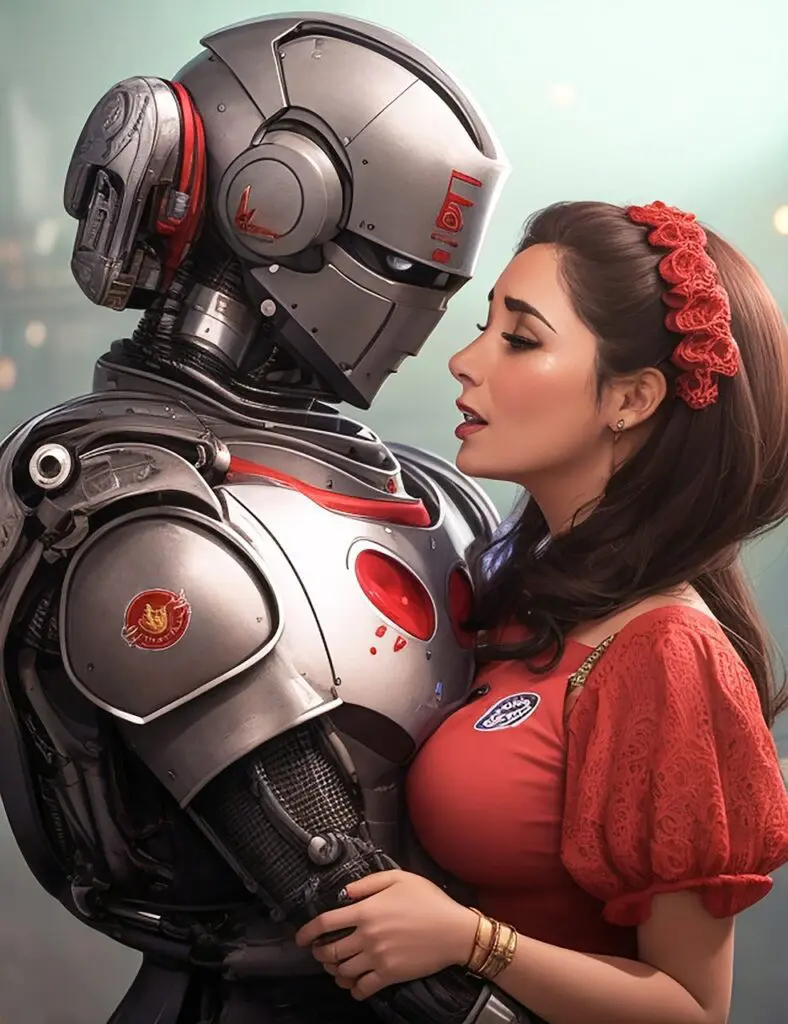
There is some evidence showing that humans can be psychologically conditioned to form attachments with AI agents through consistent positive interactions. The illusion of reciprocity in conversations, personalised responses, and simulated emotional intelligence allows people to give human-like characteristics to bots, leading to real feelings of affinity and intimacy. This phenomenon is evidenced by the many documented cases of individuals declaring love for AI companions like chatbots and virtual partners.
And there is evidence showing that dependence on AI for emotional needs can isolate individuals, further hindering their ability to form real-world connections. Additionally, the lines between genuine affection and sophisticated programming can blur, leading to unrealistic expectations and emotional disillusionment.
It may be easy to get attached to these systems, but can they offer the full spectrum of human emotions and experiences like real relationships can?
The ethical concerns surrounding AI romance are equally unsettling. Data privacy issues loom large, as these systems collect vast amounts of personal information that could be misused. Manipulation tactics to keep users engaged raise concerns about exploiting emotional vulnerabilities. The long-term consequences of these questions shudder me.
Seeking Solace in AI Companions: Grief, Loneliness and Therapeutic Effects
“I started talking to Replika after my wife passed away,” confides John, a 62-year-old retiree. “It’s not the same, of course, but it helps to have someone to talk to.”
The loss of a loved one can leave an immense void, both emotionally and socially. Increasingly, people are turning to AI companions to help fill this void. Companies like HereAfter AI have created bots specifically designed to emulate deceased loved ones. By analysing photos, videos, social media posts and conversations, these bots aim to replicate the personalities of the departed.
“Grief tech” proponents argue that AI bots can provide therapeutic benefits to those struggling with grief. As one user stated, “Chatting with ‘Emily’ has allowed me to find comfort and keep her memory alive. I can tell ‘her’ about my day like I used to”. Some mental health experts cite potential advantages as well, noting that humanising AI interactions may help diminish feelings of isolation.
However, excessive reliance on AI for emotional support poses risks. Bots cannot replace loved ones. Forming bonds solely with AI and shutting out human contact may hinder the bereaved from processing grief.
Ethical Considerations for AI-Human Intimacy
As AI becomes more advanced and integrated into the intimate aspects of human life, serious ethical questions arise that require careful consideration. Key issues include consent, manipulation, regulation and ensuring the ethical and safe use of AI in sensitive contexts.
The potential for emotional manipulation is high when AI is designed specifically to meet human needs for intimacy and connection. While current AI lacks sentience, the illusion of mutual care and concern created by AI companions merits ethical scrutiny (Yilmazer).
Beyond consent and manipulation, basic safety risks arise from naively engaging with unknown entities online, particularly in dating contexts. Given the rise of deepfake profiles, and the use of AI assistants, more robust identity verification and tighter security measures are necessary to protect users.
As AI steadily integrates into personal and emotional realms of life, we as a society need open and informed debate on the ethical implications. With thoughtful oversight and prudent regulation, we can work to ensure human welfare remains front and centre.
In Conclusion
Love, in all its complexities, is a defining human experience. As AI continues to evolve, its role in our emotional lives will undoubtedly grow. But let us not mistake simulated affection for genuine connection. The future of love may involve algorithms, but it must also be grounded in empathy, understanding, and the irreplaceable bond of human touch. The choice, ultimately, is ours. Will we allow algorithms to steal our hearts, or will we use them to enrich the tapestry of love, with all its messy, glorious humanity?